Seasonal Tree Pruning & Crown Shaping for Optimal Growth
Trees do their best work quietly. They cool streets in July, bounce wind over rooftops in November, and return a neighborhood’s investment every single day. The timing and technique of pruning either amplifies that value or puts it at risk. After three decades walking properties with homeowners, facilities managers, and city foresters, I’ve learned that “when” and “how” matter as much as “how much.” Seasonal tree pruning and thoughtful crown shaping guide growth, protect structures, and keep trees resilient through storms, drought, and fire seasons.
Why timing changes the outcome
Trees follow rhythms. Sap rises and falls, buds set, sugars move to roots, wounds seal faster in some windows than others. When you prune within that cycle, the tree responds efficiently. When you fight the cycle, stress climbs and problems multiply.
Two patterns matter most. First, energy balance. Remove a large portion of live foliage in spring and you steal the engine that powers root growth, defense, and wound closure. Second, pathogen pressure. Some diseases spread aggressively with fresh cuts in warm, wet periods. Oak wilt, for example, has cost communities millions because pruning crews opened cuts during vector activity. Sensible schedules reduce these risks before a saw ever starts.
Crown shaping, not just cutting
Good crown shaping starts with a simple premise: the tree’s architecture should be strong, balanced, and suited to its environment. That means choosing dominant leaders on species that want them, subordinating or removing competing stems that create weak forks, and setting even spacing for lateral branches so load and light distribute well.
I advise clients to think in terms of structure first, clearance second, and aesthetics last. If you chase a silhouette without solving structural conflicts, the tree will look neat for a season and then re-sprout with twice the vigor where it is weakest. When you establish structure, later touch-ups become surgical and infrequent.
A practical example helps. A young red maple planted near a driveway often throws twin leaders at 8 feet. If you ignore it, those codominant stems, each with included bark, will struggle under snow or wind. If you subordinate the weaker stem early with a reduction cut and keep your pruning to small-diameter wood, the tree builds a single strong trunk and needs only minor thinning later. That is crown shaping, and it pays dividends for decades.
Reading the branch collar and making correct cuts
The branch collar is the tree’s built-in defense zone at the base of each branch. Cut just outside the collar and the tree closes the wound efficiently. Cut flush and you remove the tissue that seals over. Leave a stub and you invite decay to creep inward.
Technique matters. Use a three-cut method for anything heavy to prevent bark tear. Undercut a short distance from the trunk, make a top cut outside the undercut to release the weight, then finish with the final cut just outside the collar. On reduction cuts, move back to a lateral that is large enough to take over, typically at least a third the diameter of what you remove. This preserves flow and reduces stress shoots.
Angles are judgment calls, not absolutes. For scaffold spacing, aim for offsets rather than a ladder of branches in one plane. If you prefer a visual rule, imagine clock positions on the trunk. Useful scaffolds often leave at the 10 o’clock and 2 o’clock zones relative to each other, giving room for the trunk to thicken evenly.
A seasonal snapshot by tree type
Different species and site conditions change the calendar. The following quick guide matches common groups with their best windows and the “why” behind them.
-
Deciduous shade trees, such as maple, linden, and ash: Late winter into early spring, before bud break, is ideal for structural work. The tree can see, the arborist can see, and wounds close as growth starts. Light summer touch-ups help with clearance but keep live foliage removal under roughly a quarter of the canopy in any single season.
-
Flowering ornamentals: Prune spring bloomers, like crabapple or serviceberry, right after flowering to preserve next year’s buds. Prune summer bloomers during winter dormancy to channel energy into strong new flowering shoots.
-
Fruit trees: Late winter is still the backbone of training and renewal, but keep a conservative hand on apples and pears prone to fire blight. Where fire blight pressure is high, avoid heavy spring cuts and sterilize between trees. Summer thinning cuts calm overly vigorous trees and help light reach fruiting wood.
-
Conifers: Pines respond best just after the candles expand in late spring. Shorten candles by hand for shape and density rather than removing whole branches. Spruce and fir tolerate light structural work during dormancy but resent hard pruning into old wood.
-
Oaks and elms: Where oak wilt or Dutch elm disease occurs, restrict pruning to the dormant season when vectors are not active. Many municipalities set calendar moratoriums. Respect them or pay dearly later.
These windows are guides, not handcuffs. A broken limb over a sidewalk gets removed in July if it must. Emergency Tree Services exist because the calendar is less important than public safety when a hazard is present.
Pruning with climate stress and wildfire in mind
Hotter summers and erratic precipitation change priorities. Trees under drought stress benefit from gentler pruning, more conservative canopy removal, and careful timing to avoid pushing new growth right before heat waves. Mulch and irrigation matter more than perfect form when survival is on the line.
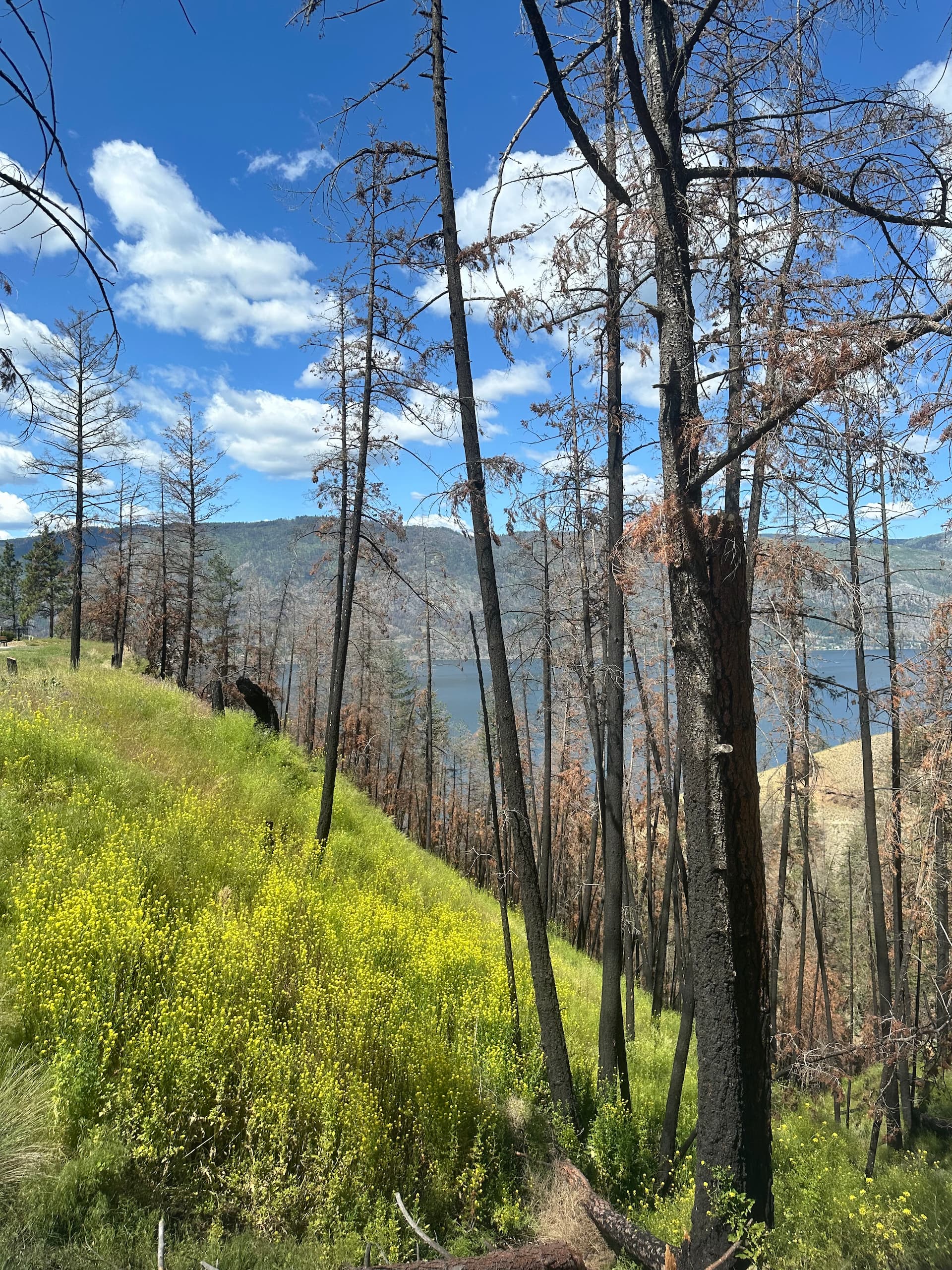
In wildfire-prone regions, FireSmart Tree Services fold into seasonal work. Crown raising to maintain vertical separation between surface fuels and lower branches, spacing between canopy crowns, and removal of ladder fuels reduce the chance that a ground fire climbs into the canopy. On mixed properties I often target a 2 to 3 meter lift of lower limbs on mature conifers near structures, thin small volunteers under drip lines, and maintain a lean, irrigated zone in the first 1.5 to 3 meters around buildings. The best time to do this is late winter into spring before growth surges, with periodic summer checks for deadwood.
Training young trees: the cheapest pruning you will ever buy
If you plant it, plan it. A five-minute decision in year two can save a thousand dollars in year twelve. For young trees, limit pruning to small cuts that guide structure. Choose one dominant leader for species https://felixvgao551.tearosediner.net/firesmart-tree-services-ember-resistant-landscaping that prefer them. Identify the lowest permanent branch based on the site, then space next scaffolds vertically and around the trunk. Temporary lower branches can be shortened rather than removed to thicken the trunk without shading the future canopy too much.
A real-world example: a streetscape of honeylocust planted under power lines. If you top them in year ten, they will sprout aggressively and conflict with lines again within two seasons. If you select flatter-angled laterals early and use reduction cuts to point growth away from the wires, you create a broad, compliant form that utility pruning crews can maintain with minimal impact. The lesson is to align form with constraints before conflict arises.
Mature trees: respect weight, wind, and history
Large trees carry history in their grain. Old pollard points, storm scars, and past topping cuts influence what is possible. The right move may be a series of small, staged reductions over multiple seasons, not a single makeover. On mature hardwoods, thinning cuts that improve light and airflow in the interior often stabilize microclimates for leaves, limiting fungal pressure. Removing heavy end weight on extended laterals, particularly over targets like roofs and play sets, reduces lever arms that fail in storms.
This is where diagnostics blend with pruning. I often recommend a Certified Arborist Consultation before any major work on mature specimens. Resistographs, sonic tomography, or simple sounding with a mallet reveal internal decay that changes the plan. Sometimes the answer is not removal but mitigation through Tree Cable and Bracing that supports a valuable limb while reducing the amount of live canopy removed. Other times the only responsible option is Dangerous Tree Assessment and Removal, followed by Stump Removal & Grinding to reset the site for replanting.
Sanitation, tools, and wound care
Dull blades shred, sharp blades slice. That difference shows up years later as decay columns or vigorous callus. Keep bypass pruners tuned and handsaws set. Clean your tools when moving between properties or species where pathogens jump easily. A 70 percent alcohol solution or a brief soak in a disinfectant works. On a row of pears in a neighborhood with fire blight history, I sanitize between trees and avoid working when wet conditions and active ooze increase spread.
Sealants are largely cosmetic on most species. Trees evolved to compartmentalize, not to be painted. I only consider wound dressings in very specific contexts, such as on oaks in oak wilt regions where local guidelines recommend an immediate protective coating during out-of-season emergency cuts. When in doubt, follow regional best practices.
Clearance and coexistence with the built world
Arborists work where trees meet traffic, windows, shingles, gutters, and lines. Crown raising provides clearance for pedestrians and vehicles. Crown reduction moves spread away from buildings. Selective thinning helps airflow around facades and reduces mildew on shady walls.
The trick is to solve the conflict without creating a new one. If you chase a branch off the roof by cutting it back to a too-small lateral, the stub will throw water sprouts that double your problem next summer. If you reduce a crown hard on the house side only, wind may push the tree off-balance. Better to stage modest, well-placed cuts, and in some cases to redesign the site. On one municipal building, a low glass atrium cooked under afternoon sun once the legacy elms had to be removed for safety. We replanted with columnar oaks set further off the facade, trained early to stay narrow, then paired seasonal crown shaping with reflective film on the glass. The building stayed cool and the trees stayed healthy.
Common mistakes worth avoiding
-
Removing more than roughly a quarter of live foliage at once. Trees need leaves to fuel defense and growth, and big cuts drive stress shoots you do not want.
-
Topping or heading back large branches indiscriminately. This creates weakly attached sprouts and invites decay at the cut surface.
-
Ignoring the branch collar. Flush cuts slow or prevent proper closure, and stubs decay inward.
-
Pruning at the wrong seasonal window for disease-prone species. Oaks during vector activity or stone fruit during peak wet warmth can go badly quickly.
-
Chasing a shape without building structure. Neat today, problems tomorrow.
When a professional should take the lead
Not every cut needs a climber and a chip truck. Homeowners with solid ladders and clean tools can handle small training cuts from the ground on young trees. The line where it shifts to professional work comes fast though. If a limb requires you to leave the ground, swing a saw over a roof, or cut wood larger than your wrist, the stakes climb. At that point a Certified Arborist Consultation is money well spent.
Beyond skill and safety, a professional brings context. We read wind fetch, soil limits, past construction scars, and species quirks by eye. We also bring a crew to manage waste properly and keep a site clean. If the assessment shows a tree has moved from manageable risk to unacceptable hazard, full Tree Removal Services prevent harm. Once the trunk is down, Stump Removal & Grinding keeps roots from heaving sidewalks and opens room to replant with a species better suited to the site.
If a storm unzips a lead over a driveway at 2 a.m., Emergency Tree Services stabilize the scene first. That might mean removing a hung limb, tarping a roof puncture, or shutting down a walkway while we plan a safe extraction. The seasonal calendar takes a back seat during emergencies. Afterward, we return to proper pruning to rebuild structure and set the tree up for recovery.
Integrating cabling, bracing, and conservative pruning
Some trees are too valuable to lose and too flawed to trust on pruning alone. Codominant stems with included bark, long horizontal limbs over heritage gardens, and historic trees with internal hollows often benefit from Tree Cable and Bracing. The modern systems are dynamic, designed to limit movement without inducing stress points. The recipe pairs a thoughtful reduction of end weight with cables placed in the upper crown where leverage is greatest. Done well, this approach preserves character, reduces risk, and avoids the disfiguring look that heavy reduction alone would cause.
A favorite example is a 70-year-old copper beech with a wide terrace beneath it. The client hosted weddings there every summer. Rather than gut the canopy, we reduced the outer third of spread by about 10 to 15 percent and installed two dynamic cables above the main fork. We returned for light touch-ups every two to three years. The tree kept its grandeur and the insurance carrier stayed comfortable.
Fruit trees: balancing yield, light, and vigor
Fruit tree pruning can turn into philosophy, but a few principles hold. You want an open structure that lets light reach fruiting spurs and air move freely through the canopy. Pruning in late winter sets up a push of new growth, which is perfect if you need to renew fruiting wood but a problem if your tree is already too vigorous. Use thinning cuts to calm the tree during summer if shoots are longer than 30 to 45 centimeters. Shorten or remove vertical water sprouts quickly before they shade the interior. And remember, fruit thinning is pruning too. Removing clusters early channels energy into size and quality rather than sheer number.
Someone once told me their peach did not fruit, so they “cleaned it up” in March by removing the tangled interior. Peaches bear on one-year-old wood. They had stripped the pantry. We spent two seasons rebuilding fruiting shoots, proof that knowing where a species carries its crop is as important as the calendar.
Decay, defects, and the point of no return
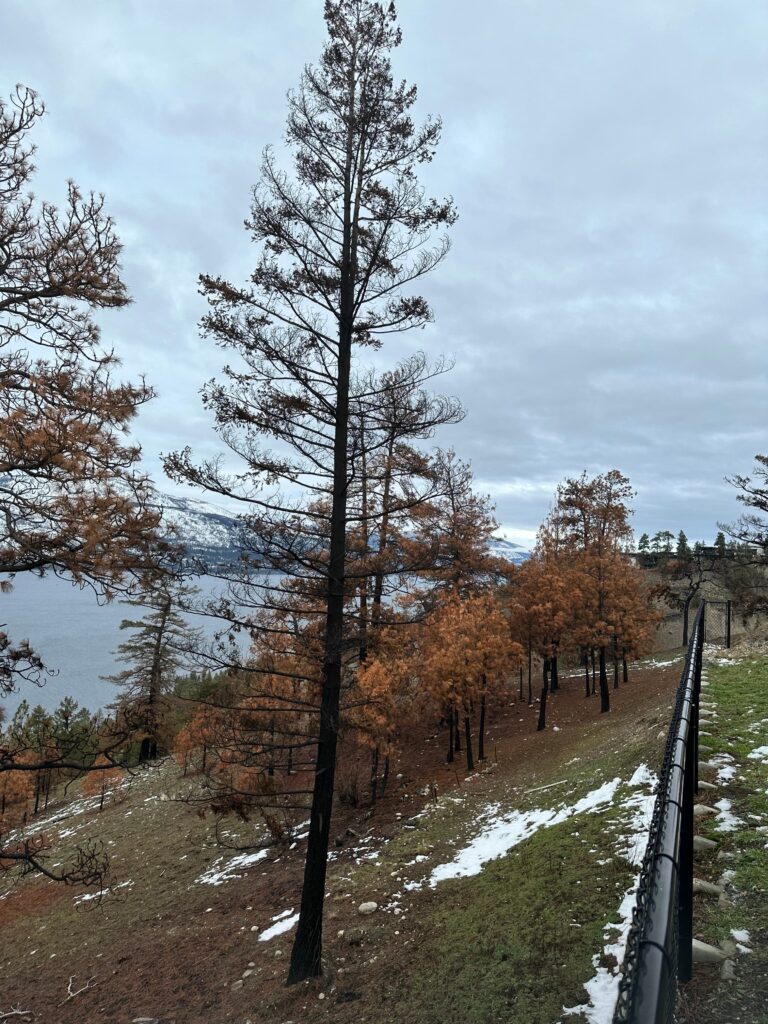
Pruning cannot fix everything. Advanced decay at the base, a pronounced lean with soil heaving on the opposite side, or a large cavity in a primary union are signals that demand a deeper look. During a Dangerous Tree Assessment and Removal decision process, we combine visual inspection with tools where appropriate, weigh targets, and consider the tree’s response history. If a tree has failed small in storms year after year, the pattern matters more than a single snapshot on a calm day. When removal is necessary, plan the replacement before the stump is out. Choose species and cultivars sized to the site, resistant to local pests, and trainable to the form you want. That keeps you out of the remove-replant-repeat cycle.
Urban forestry budgets, scheduling, and communication
On campuses and business parks, pruning cycles often stretch to three to five years for mature trees and annual visits for developing canopies. If you have to triage, prioritize structural training of young trees and hazard mitigation on mature ones. A well-run program pairs Tree Pruning & Crown Shaping with a mapped inventory, notes on past work, and photos to track response. That history saves time and money because the next crew understands decisions already made.
Communicate with occupants about timing. Pruning that opens sightlines and lifts crowns over parking lots is best done when cars are away and birds are not actively nesting. In neighborhoods with sensitive wildlife windows, coordinate with local guidance. Practical, considerate scheduling keeps goodwill high.
Firewise pruning meets aesthetics
Close to structures, I thread wildfire mitigation into crown shaping without sacrificing form. Remove deadwood, avoid dense clusters of low limbs, and thin interior growth lightly in species prone to holding fine fuels like cedar or cypress. On oaks and maples near decks and fences, I maintain vertical spacing so that if embers land, they do not find a continuous ladder from mulch to eaves. Combine this with non-combustible mulch bands, tidy gutters, and irrigation checks. FireSmart Tree Services are not a one-time visit. They are a rhythm, checked seasonally and adjusted as trees grow.
A practical calendar for mixed landscapes
Homeowners often ask for a simple way to plan the year. While the best schedule is tailored, a broad pattern works for many regions. Winter is for structure on deciduous trees and risk reduction on mature conifers. Spring is for selective fine-tuning and post-bloom work on spring-flowering ornamentals. Early summer is for light reduction and clearance while watching water stress. Late summer is a good time to calm overly vigorous trees with thinning cuts so they set buds rather than shoots. Fall is mostly for site cleanup and safety checks before storms, not for heavy pruning, since many species do not seal well as they shift energy to roots.
In wetter autumns, I hold off on cuts that would sit exposed through months of rain. In drier climates, fall can be a low-disease-pressure window for light work. This is where local judgment, not a generic formula, keeps you out of trouble.
Costs, value, and what success looks like five years later
The cheapest pruning is the pruning you do early and correctly. On a per-tree basis, training cuts in years one through five cost a fraction of corrective work in year ten. By year fifteen, you can often maintain canopy form with occasional, efficient visits. When owners tell me they want “less pruning over time,” I say we share the same goal and point them toward structural shaping first.
Success is not a flat-topped tree in year one. Success is a tree that rides out a winter storm with minimal breakage, clears pedestrians and roofs naturally, sets flower and fruit reliably where appropriate, and holds its shape with modest touch-ups. Five years after a well-planned program starts, clients notice fewer surprises and lower emergency calls, along with better shade and healthier crowns.
A short field checklist for your next pruning day
-
Confirm species, age, and local disease windows before setting the date.
-
Identify structural goals first, then clearance, then cosmetic touch-ups.
-
Plan cuts from small to large and from the outside in, checking balance as you go.
-
Keep live foliage removal modest and prefer reduction to heading.
-
Stop if you find a defect that changes risk, and call for a Certified Arborist Consultation.
Seasonal tree pruning and conscientious crown shaping are not about forcing trees into rigid shapes. They are about reading biology, solving site problems, and making small, smart cuts at the right time. Bring in professionals for the work that carries risk, from Tree Cable and Bracing to Emergency Tree Services, and do not be shy about using Tree Removal Services when a specimen has moved past recovery. When removal is necessary, finish the job with Stump Removal & Grinding and a replanting plan that fits your site’s light, soil, water, and space. A strategic approach keeps trees doing what they do best, quietly adding value, stability, and beauty season after season.
Ace Tree Services Ltd.
Name: Ace Tree Services Ltd.Address: 4656 Wallace Hill Road, Kelowna, BC
Postal code: V1W 4C2
Phone: 250-212-9593
Website: https://acetree.ca/
Hours:
Monday: 7:00 AM - 5:00 PM
Tuesday: 7:00 AM - 5:00 PM
Wednesday: 7:00 AM - 5:00 PM
Thursday: 7:00 AM - 5:00 PM
Friday: 7:00 AM - 5:00 PM
Saturday: 7:00 AM - 5:00 PM
Sunday: Closed
Open-location code (plus code): RHF8+8G Kelowna, British Columbia, Canada
Map/listing URL: https://www.google.com/maps/place/Ace+Tree+Services+Ltd./@49.8232606,-119.4337283,659m/data=!3m2!1e3!4b1!4m6!3m5!1s0x537d8b1d074815c5:0x450b88afa7a41435!8m2!3d49.8232606!4d-119.4337283!16s%2Fg%2F11ydkpnh22
Embed iframe:
"@context": "https://schema.org", "@type": "HomeAndConstructionBusiness", "name": "Ace Tree Services Ltd.", "url": "https://acetree.ca/", "telephone": "250-212-9593", "address": "@type": "PostalAddress", "streetAddress": "4656 Wallace Hill Road", "addressLocality": "Kelowna", "addressRegion": "BC", "addressCountry": "CA" , "openingHoursSpecification": [ "@type": "OpeningHoursSpecification", "dayOfWeek": "https://schema.org/Monday", "opens": "07:00", "closes": "17:00" , "@type": "OpeningHoursSpecification", "dayOfWeek": "https://schema.org/Tuesday", "opens": "07:00", "closes": "17:00" , "@type": "OpeningHoursSpecification", "dayOfWeek": "https://schema.org/Wednesday", "opens": "07:00", "closes": "17:00" , "@type": "OpeningHoursSpecification", "dayOfWeek": "https://schema.org/Thursday", "opens": "07:00", "closes": "17:00" , "@type": "OpeningHoursSpecification", "dayOfWeek": "https://schema.org/Friday", "opens": "07:00", "closes": "17:00" ], "geo": "@type": "GeoCoordinates", "latitude": 49.8232606, "longitude": -119.4337283 , "hasMap": "https://www.google.com/maps/place/Ace+Tree+Services+Ltd./@49.8232606,-119.4337283,659m/data=!3m2!1e3!4b1!4m6!3m5!1s0x537d8b1d074815c5:0x450b88afa7a41435!8m2!3d49.8232606!4d-119.4337283!16s%2Fg%2F11ydkpnh22"
Ace Tree Services Ltd. provides professional tree removal, pruning, stump grinding, emergency response, and arborist consultations for properties in Kelowna and across the Okanagan Valley.
The company works with homes, commercial properties, and municipal settings where tree work needs to be planned carefully around buildings, fences, driveways, landscaping, and other site constraints.
Based in Kelowna, the team is positioned to help nearby neighbourhoods and surrounding Okanagan communities with routine tree care and time-sensitive storm cleanup.
Customers looking for careful tree work often want a crew with certified arborist training, insurance, and a methodical approach to higher-risk removals.
Services also include dangerous tree assessment, cabling and bracing, and wildfire risk reduction tree work for properties that need longer-term planning.
To request a quote or discuss tree care options, call 250-212-9593 or visit https://acetree.ca/.
A public map listing is available to help customers confirm the business location and get directions before a site visit or estimate.
For Kelowna property owners who need pruning, removals, or emergency tree help, a local tree service can make it easier to schedule site-specific recommendations and cleanup.
Popular Questions About Ace Tree Services Ltd.
What services does Ace Tree Services Ltd. provide?Ace Tree Services Ltd. lists tree removal, stump removal and grinding, tree pruning and crown shaping, emergency tree service, arborist consultation, dangerous tree assessment and removal, cabling and bracing, and wildfire risk reduction tree work.
Who does Ace Tree Services Ltd. serve?
The company describes its work as serving homes, businesses, and municipalities in Kelowna and across the Okanagan Valley.
Is emergency tree help available?
Yes. Emergency service is listed for downed or uprooted trees, dangerous tree assessment, stabilization work, and branch cleanup. If a tree is near power lines, the safest first step is to stay clear and contact the utility provider before any tree work begins.
Do I always need a permit to remove a tree?
Not always. Permit requirements can depend on where the tree is located and whether it is near a creek, lake, steep slope, or another protected area. It is best to check local rules for the specific property before removal work starts.
How deep does stump grinding usually go?
Standard stump grinding is typically described as going about 6 to 12 inches below ground level, which is often enough for grass or surface landscaping. Deeper grinding may be possible when site plans call for it.
How much of a tree can be safely removed at one time?
That depends on the species, age, health, and structure of the tree. In practice, good pruning is usually about removing the right limbs for health, clearance, and structure rather than chasing a fixed percentage.
What are common signs that a tree may be dangerous?
Large dead limbs, visible cracks, a new lean, root damage, canopy dieback, or storm-related damage can all be warning signs. Trees near structures deserve extra attention when any of those issues appear.
What is cabling and bracing in tree care?
Cabling and bracing are support systems used to reduce the risk of failure in trees with structural weaknesses that may still be worth preserving. They are generally used to add support, not to replace good assessment and ongoing maintenance.
How do I contact Ace Tree Services Ltd.?
Call 250-212-9593.Website: https://acetree.ca/.
Landmarks Near Kelowna, BC
Downtown KelownaThe downtown core is a practical reference point for lakefront neighbourhoods, mixed-use streets, and central residential properties. If your property is near downtown, tree pruning, removals, and cleanup can be planned around tighter access and nearby structures.
Knox Mountain Park
This well-known park north of downtown is a recognizable landmark for nearby homes and hillside properties. If you are close to this area, ask about tree assessment, trimming, or removal work suited to sloped sites.
Mission Creek Greenway
The greenway runs through several parts of Kelowna and is a useful landmark for nearby residential areas. If your property borders or sits near this corridor, site-specific tree planning is especially important.
Pandosy Village
Pandosy is one of Kelowna’s most recognizable neighbourhoods and a common reference point for south-central properties. If you are nearby, request help for pruning, removals, or storm cleanup around homes and small commercial sites.
Rutland
Rutland is a major east Kelowna neighbourhood with a mix of residential and local commercial properties. If you are located in or near Rutland, tree work can be scheduled for both routine maintenance and urgent situations.
Landmark District
This central business-focused area is a practical landmark for offices, service properties, and nearby residential streets. If your site is near the district, ask about careful tree work around parking, access lanes, and built-up lots.
Kelowna’s North End
The North End sits on the edge of downtown and is a useful reference for nearby homes, industrial sites, and commercial properties. If you are in this part of the city, request tree care based on the layout and constraints of the lot.
Airport District
The Airport District is a recognizable north Kelowna reference point for surrounding properties and access routes. If you are in this area, ask about tree services for residential acreage, commercial sites, or roadside cleanup needs.
Glenmore & Dilworth
These established Kelowna neighbourhoods are useful landmarks for central and north-central service calls. If your property is nearby, pruning and removal work can be tailored to mature trees and established landscapes.
Highway 97 Corridor
Highway 97 is one of the city’s main travel routes and a common way to describe location within Kelowna. If your home or property is just off the corridor, a clear landmark reference can help speed up quote scheduling and site planning.