Tree Health Check: Certified Arborist Consultation
Healthy trees are an asset. They shade roofs, slow wind, hold slopes, and set a tone for the property that turf and shrubs cannot. When a tree starts to look tired or unpredictable, guessing at the cause can be costly. That is where a Certified Arborist Consultation earns its keep. A good consultation blends science with field judgment, the kind you only get after climbing thousands of trees, reading weathered bark, and listening to the way a crown moves in the wind.
This guide explains what to expect from a thorough tree health check, how decisions get made, and when that conversation leads to Tree Pruning & Crown Shaping, Tree Cable and Bracing, FireSmart Tree Services, or in hard cases, Dangerous Tree Assessment and Removal with follow-up Stump Removal & Grinding. Along the way, I will share what typically changes the decision, where money is well spent, and how to prepare so the hour on site delivers maximum value.
What a certified arborist is actually looking for
From the curb, a tree is silhouette and shade. Up close, it tells a story. The consult begins with a wide-angle look at site context. Exposure, drainage, nearby construction, solar gain off a south wall, sprinkler patterns, even your neighbor’s soil grade can tip the scales. A microscope and fancy sensors can wait, because two simple truths drive most diagnoses. Roots win or lose in the first meter of soil, and structure fails along predictable lines.
At the base, I check root flare visibility. If the trunk dives straight into the ground like a fence post, there is a good chance the tree was planted too deep or has grafted a skirt of girdling roots. Mulch volcanoes hide the same problem. I probe the soil for compaction and check moisture by hand, not only with a meter. You learn to feel the suction and the granular pop that tells you whether water is penetrating or trapped.
Moving up the trunk, I note seams, bulges, and bark plates that heal differently after past injuries. Open cavities get measured and sounded with a mallet. A hollow tree does not automatically fail. It depends on wall thickness, species tolerance, and the lever forces created by crown shape. I have recommended keeping hollow oaks with 30 percent residual wall in protected yards, while removing smaller willows with fewer cavities but terrible leverage over a play area.
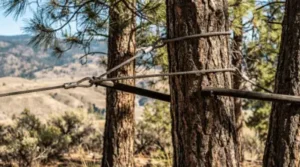
In the canopy, architecture matters as much as leaf color. Trees grown in the open often develop wide-spaced scaffold branches with good attachment angles. Street trees and yard trees pushed by early topping cuts show tight V crotches with included bark. That bark, compressed like a wedge where two stems meet, can accelerate failure under snow load or wind. When the risk is moderate and the client values the tree, Tree Cable and Bracing becomes a tool to buy years of safe service.
Foliage tells its own truths. Flagging branch tips, sparse leaf sets, or chlorotic leaves mean something different in a crimson maple than a locust. Timing matters. If we meet in May and a mature maple has not leafed out on one side, I will be thinking root loss underneath that sector, often from trenching or a new paver patio.
The consultation flow, start to finish
Most visits run 45 to 90 minutes for a standard lot with three to six mature trees. Larger or more complex sites take longer, especially where wind exposure or wildfire interface changes risk. I begin with a client walkaround to hear history. Trees carry memories. A storm two summers ago, a sewer repair last fall, a new dog that loves to worry at the mulch ring, all of it matters.
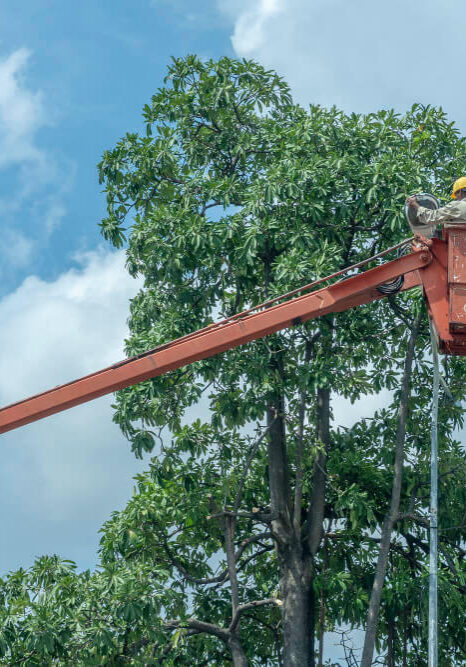
After the first pass, I switch to close inspection. If the crown is unreachable from ground level and there is a structural concern, an aerial look with a climbing line or bucket is worth the time. From aloft, I can see branch collars, old pruning wounds, and minor canker lines hidden by inner foliage. Where I suspect internal decay in critical stems, a resistograph or sonic test helps size up sound wood without cutting. Those tools do not make the decision for me, they tighten the error bars.
Back on the ground, I look at the dripline where feeder roots work. Lawn irrigation schedules set for turf often drown trees. A tree watering plan is different, deeper and less frequent. I dig a small test hole or use a soil probe to learn how water moves on your site. It is a quick step that changes a lot of prescriptions.
If there is a wildfire exposure around the home, I map fuels laddering into the canopy and judge spacing. FireSmart Tree Services focus on three zones. Within the first 1.5 meters from structures, we want noncombustible surfaces and zero fine fuels. Out to 10 meters, spacing and pruning raise branch height off the ground and remove dead matter. Beyond that, species choice, cluster placement, and seasonal maintenance protect the crown. An arborist who works in fire country treats resinous trees against the house like a loaded spring.
The consult wraps with findings, options, and a priority sequence. Not every tree needs the same level of intervention. Some need light Tree Pruning & Crown Shaping that restores structure and daylight. Others have a defect that calls for Tree Cable and Bracing. A few are too risky or too far gone and need Dangerous Tree Assessment and Removal to happen before the next big wind.
Signs that warrant a quicker call
Time matters when a defect accelerates. Homeowners often notice small clues long before a failure. If I could plant a simple reminder on the fridge, it would be this short list of red flags:
- A crack that opens and closes with wind or weight, especially in a main union
- A sudden lean that develops after rain, or soil heaving around the base
- Mushroom conks or shelf fungi at the trunk or root plate
- A dense, lion-tailed canopy from past bad cuts, paired with heavy end weight
- Branches dropping on still days in summer
If any of these show up, an Emergency Tree Services call is justified. A targeted assessment can sort manageable defects from immediate hazards. In several cases over the last decade, a cracked union reported on a Friday evening allowed us to mobilize a small crew at dawn on Saturday, install temporary props and a brace, then plan either a corrective prune or removal the next week. Urgency paired with measured steps saves trees and keeps people safe.
How pruning prescriptions are made
Good pruning is disciplined. It starts with the tree’s species and growth habit, not a look someone wants from a catalog. On conifers, we rarely reduce height. We clean deadwood, lift lower branches to improve clearance and airflow, and thin selective tips to reduce sail without breaking the natural line. On broadleaf trees, structural pruning focuses on setting https://charlienryz614.fotosdefrases.com/fine-pruning-tree-pruning-crown-shaping-specialists a strong central leader, subordinating or removing competing limbs, and correcting past topping.
Tree Pruning & Crown Shaping should aim for small, well-placed cuts that respect branch collars and limit wound size. A general rule is to keep cuts under 5 to 8 centimeters on mature trees unless removing a defect. We remove no more than 15 to 20 percent of the live crown in a single session on a healthy tree. If a tree has been stressed, we split work into phases a year apart. The saw should be a surgeon’s tool, not a shovel.
I see a lot of lion-tailing, where interior branches are stripped and all the foliage sits out at the tips. It looks tidy on day one and dangerous by year three. Wind loads move to the ends, unions weaken, and sunscald bakes the inner bark. Undoing that pattern takes patience. We rebuild taper by encouraging interior growth, shortening overextended tips, and letting the tree rebuild strength from the trunk outward.
When cabling and bracing protect a valued tree
Not every weak union means the end. When a tree holds sentimental or landscape value, Tree Cable and Bracing buys time and lowers risk. The technique depends on where the defect is and how the tree carries its load.
For tight V unions with included bark on mature maples or lindens, a static brace rod can prevent a split from opening. Up higher, a dynamic cable system that allows measured movement shares the load between co-dominant leaders. The art lies in placement. Too low, and the cable does little. Too tight, and the tree loses its ability to sway, increasing stress at the hardware. On a typical suburban maple with two 25 centimeter leaders at 9 meters, we might install a brace rod at the union and a cable 60 to 70 percent of the way up the combined height, anchored in sound wood past the branch collar.
Hardware has a life cycle. A Certified Arborist Consultation includes checking existing systems. I have retired cables that outlived their purpose and found rods that saved a split for twenty years. Trees grow around hardware, so inspections every two to three years matter. If decay moves, or if loads change after a storm, a revised plan may involve reduction cuts or, in time, removal.
The hard call to remove, and how it is made responsibly
Tree Removal Services are not a failure. They are one tool in a kit that keeps people and property safe. The decision blends risk, tree condition, targets under the tree, and the owner’s tolerance. A dead or dying tree over a sleeping area or a primary entry is different from the same tree in a back corner with no occupancy. Species plays a part. Cottonwood wood is less forgiving than oak under similar loads.
A Dangerous Tree Assessment and Removal case usually starts with quantifying defect size and location. If a trunk has advanced decay over a third of its circumference at the base and lean worsens after storms, the margin is thin. With a steep slope, shallow roots, and saturated clay, I will push for faster action. We discuss rigging options, crane access if necessary, and timing to avoid further stress on the site. On a heritage tree, I bring data from sound testing, document targets and occupancy, and, if required by a city permit, produce a formal report with photos and measured notes.
Once a tree comes down, that is not the end of the job. Stump Removal & Grinding clears future tripping hazards, stops sucker growth in species like poplar or willow, and opens the site for replanting. I recommend grinding to a depth that matches the plan. For lawn, 20 to 25 centimeters is typical. Where a new tree will be planted nearby, we plan a different location to avoid old root decay pockets. When clients skip grinding, they often regret the mushroom blooms and mower hits that follow.
FireSmart thinking for properties at the edge
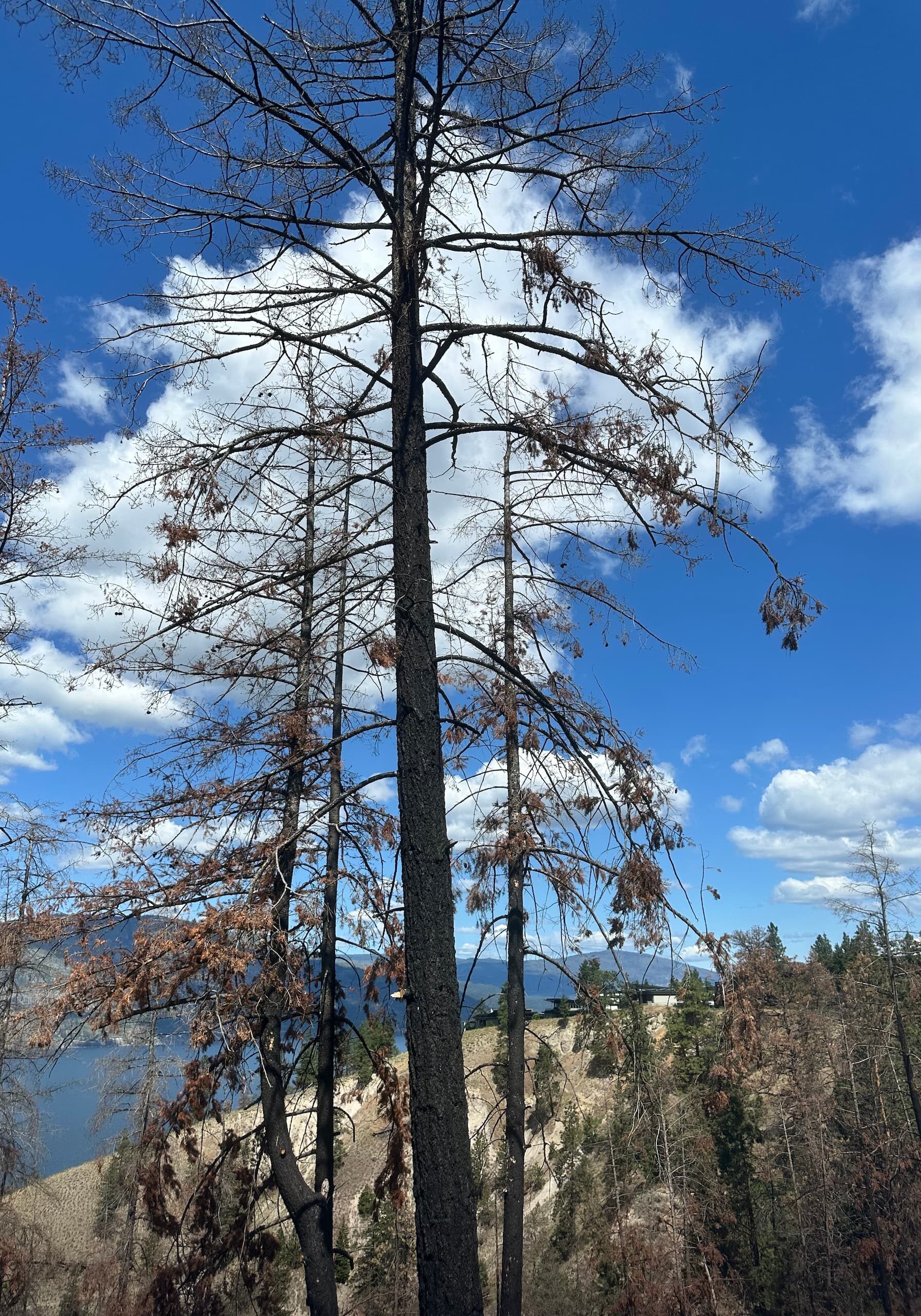
If your home sits near forest or grassland, tree care needs a wildfire lens. FireSmart Tree Services organize the landscape into zones, with defensible space improving with each ring out from the house. Close in, flammable plants and debris need to go. A stack of seasoned firewood under the eaves is inviting a crown fire to the party. In the mid zone, ladder fuels matter. Dry lower branches on evergreens become a staircase for fire. Thinning small trees, pruning up to a safe clearance, and breaking up continuous canopies reduce spread. Farther out, choosing species with slower burning characteristics and planning clumps with gaps interrupts fire run.
A consultation pairs this with reality. If you love your old cedar by the porch, we look at pruning, screening with noncombustible materials, and possibly installing ember-resistant vents and gutters to change the equation. On slopes, we increase spacing and watch for chimneys that funnel wind. Wildfire preparation is not a one-time project. It is seasonal and it is practical. After a windstorm, a fresh layer of fine debris can undo last year’s work.
Construction and the invisible damage to roots
New patios, driveways, or additions often do more harm than the homeowner expects. Roots need oxygen. Soil compaction from equipment, even a handful of passes with a skid steer, can pinch the life out of a root zone. Trenching for utilities cuts roots cleanly on one side, which changes balance in the crown and lowers anchorage.
During a Certified Arborist Consultation on active construction sites, I flag critical root zones and specify protection. Simple steps like temporary fencing, mulch pads for equipment paths, and air spading to expose and preserve large roots make a measurable difference. If a trench must cross near a main root flare, a hand dig or pneumatic excavation saves structural roots, with utilities jogged around them. I also plan for after-care. Trees stressed by construction benefit from slow, deep watering, a 5 to 7 centimeter mulch layer kept off the trunk, and, in some cases, a light dose of compost or biochar scratched into the topsoil. Fertilizer is not a cure-all. On a stressed tree, pushing top growth can backfire. Focus first on roots and soil.
Permits, bylaws, and the role of documentation
Many cities regulate tree work by trunk diameter at breast height, location, or species. Protected trees around heritage districts or waterways often need a permit before major pruning or removal. Good arborists know the local rules and can prepare the paperwork. A consultation that leads to a permit application includes a report that outlines condition, defects, occupancy targets, and options considered. Photos, measurement notes, and a map of the site fill in the picture. Clients who skip this step risk fines or stop work orders that drag out a simple job for months.
In wildfire interface zones, certain grants or cost shares may be available for FireSmart upgrades. Documentation from a certified professional can unlock those programs. Insurance companies also pay attention. After a storm, an insurer may ask whether the tree showed known defects before it failed. An inspection record, even a short one, can settle that question quickly.
What you get after a strong consultation
By the end of the visit, you should have a clear picture, not a cloud of jargon. I leave clients with a written summary that sets out findings, photos of key defects or site constraints, and a prioritized action plan. If Tree Pruning & Crown Shaping is part of the plan, it includes scope, seasonal timing, and anticipated equipment. If we propose Tree Cable and Bracing, the summary outlines hardware type and placement. For removals, we provide a plan that covers rigging, protection for gardens and hardscape, utility coordination, and Stump Removal & Grinding options. If Emergency Tree Services are warranted, the document distinguishes temporary risk mitigation from final work.
The difference between a solid consult and a sales pitch is transparency. I explain trade-offs. You might hear me say, we can hold this twin-stem maple with a cable for five years if we prune end weight and keep after inspections, or we can remove it now and replant with a single-leader species better suited to the wind on this ridge. That clarity lets you match budget and priorities to the landscape you want to live with.
Seasonal timing and the long view
Not every job should happen right away. Timing around sap flow, nesting birds, and disease cycles matters. Oaks in regions with oak wilt, for example, should be pruned in the cold months when vectors are inactive. Stone fruits are better pruned in dry weather to limit disease. If we are planning a light reduction, I prefer to see a tree in full leaf at least once to gauge vigor before I cut. In late summer, water stress shows up clearly. That can change a prescription more than measurements in spring.
On the long view, a consultation sets a rhythm. Most mature trees on a managed property benefit from inspections every two to three years. Younger trees want attention in the first three to five years after planting, because early structural training pays compound interest. Tiny cuts teach a tree to carry itself well and dodge future defects. A property with a mix of ages and species stands up better to storms and pests. Monocultures make beautiful allees, but they fail as a group when a pest arrives. Diversify, and you spread risk.
Preparing for your arborist’s visit
A little prep improves the outcome and keeps the day efficient. Gather any information you have on tree age, past work, storms that caused damage, irrigation schedules, and planned site changes. If utility lines cross the area, note which are live and who services them. Clear access where possible, and if a dog patrols the yard, plan for a secure spot during the visit. Walk the property once the day before and jot down what you have noticed. Fresh perspective often catches a small problem that deserves a closer look.
Here is a simple checklist clients find useful:
- Note each tree’s recent changes, such as leaf loss, cracking, or lean
- Mark underground features like sprinklers or drainage you know about
- Confirm gate widths and access for equipment if work is likely
- Share any upcoming construction or landscaping plans
- Set your priorities, whether safety, shade, views, or replanting
These small steps help us spend more of the visit diagnosing and less time guessing at your goals.
Costs and value, framed honestly
Fees vary by region and complexity. A basic Certified Arborist Consultation for a standard residential property often falls in the 150 to 350 dollar range, sometimes credited to future work. Complex assessments with aerial inspection or diagnostic drilling cost more. Some firms fold the visit into a larger management plan that covers multiple properties or a homeowners association. On the work side, pruning on a mature tree can range widely, from a few hundred dollars for light crown cleaning to several thousand for multi-day structural work with climbing and rigging. Tree Cable and Bracing adds hardware and inspection visits. Tree Removal Services, especially for large or technical trees near utilities, can run higher than most people expect. Stump Removal & Grinding is typically priced by diameter and depth.
Value shows up in avoided surprises. I have seen modest consultations prevent five-figure losses by catching a structural defect before winter or by reprogramming irrigation to save a mature birch from root rot. The goal is not to sell the biggest job. It is to steward a living asset so it gives back every season.
Where emergency response fits
Storms compress time. When a trunk splits or a pine leans hard after saturated winds, Emergency Tree Services step in to stabilize. The first pass often means clearing access, securing broken limbs, and setting a perimeter around hazards. Once immediate risk is down, we shift to considered work. If the tree is a keeper and damage is localized, corrective pruning and, in some cases, a cable can reset the clock. If the tree is beyond safe recovery, Dangerous Tree Assessment and Removal proceeds with care for roofs, lines, and neighbors’ yards. Expect a frank conversation about timing, cranes, and traffic control where needed. Good crews work in layers of safety, both for themselves and for the site.
Replanting and the story after removal
When we remove a tree, the empty space can feel harsh. Planning the next generation softens that edge. Sit with the reasons the old tree struggled. Was it a species mismatch with the climate, a planting depth error, or a site that cooked the roots on a south-facing wall? Replant with those lessons in mind. This is where consultation experience pays off. We choose species with appropriate mature size, root behavior that suits nearby hardscape, and traits that support your goals. In wildfire country, that may mean a deciduous shade tree away from the eaves rather than an ornamental conifer by the porch. In wet areas, a swamp white oak outperforms a maple with shallow roots.
Planting is the start, not the end. Correct depth, wide planting holes, and no wire baskets left in the ground make the difference. Mulch helps, but never against the trunk. First year watering is measured and deep, not daily sprinkles. Small training cuts in years one through three set structure. Plan to invite your arborist back to check that work as the tree grows.
A final word on choosing the right partner
Credentials matter, but so does fit. Look for an arborist who listens to how you use the space. A backyard soccer field calls for different canopy lifts than a shaded patio for reading. Ask to see example reports, not just estimates. Clear writing with specific observations beats a one-line quote every time. If the conversation skips straight to cutting without time spent on soil, water, and structure, keep looking.
The best outcomes come from collaboration. A Certified Arborist Consultation is not a transaction, it is the start of a long, practical stewardship of the living infrastructure around your home. Whether the path leads to careful Tree Pruning & Crown Shaping, targeted Tree Cable and Bracing, thoughtful FireSmart Tree Services, or necessary Tree Removal Services with Stump Removal & Grinding, the aim is steady. Safer trees, healthier landscapes, and a property that feels good to live in.
Ace Tree Services Ltd.
Name: Ace Tree Services Ltd.Address: 4656 Wallace Hill Road, Kelowna, BC
Postal code: V1W 4C2
Phone: 250-212-9593
Website: https://acetree.ca/
Hours:
Monday: 7:00 AM - 5:00 PM
Tuesday: 7:00 AM - 5:00 PM
Wednesday: 7:00 AM - 5:00 PM
Thursday: 7:00 AM - 5:00 PM
Friday: 7:00 AM - 5:00 PM
Saturday: 7:00 AM - 5:00 PM
Sunday: Closed
Open-location code (plus code): RHF8+8G Kelowna, British Columbia, Canada
Map/listing URL: https://www.google.com/maps/place/Ace+Tree+Services+Ltd./@49.8232606,-119.4337283,659m/data=!3m2!1e3!4b1!4m6!3m5!1s0x537d8b1d074815c5:0x450b88afa7a41435!8m2!3d49.8232606!4d-119.4337283!16s%2Fg%2F11ydkpnh22
Embed iframe:
"@context": "https://schema.org", "@type": "HomeAndConstructionBusiness", "name": "Ace Tree Services Ltd.", "url": "https://acetree.ca/", "telephone": "250-212-9593", "address": "@type": "PostalAddress", "streetAddress": "4656 Wallace Hill Road", "addressLocality": "Kelowna", "addressRegion": "BC", "addressCountry": "CA" , "openingHoursSpecification": [ "@type": "OpeningHoursSpecification", "dayOfWeek": "https://schema.org/Monday", "opens": "07:00", "closes": "17:00" , "@type": "OpeningHoursSpecification", "dayOfWeek": "https://schema.org/Tuesday", "opens": "07:00", "closes": "17:00" , "@type": "OpeningHoursSpecification", "dayOfWeek": "https://schema.org/Wednesday", "opens": "07:00", "closes": "17:00" , "@type": "OpeningHoursSpecification", "dayOfWeek": "https://schema.org/Thursday", "opens": "07:00", "closes": "17:00" , "@type": "OpeningHoursSpecification", "dayOfWeek": "https://schema.org/Friday", "opens": "07:00", "closes": "17:00" ], "geo": "@type": "GeoCoordinates", "latitude": 49.8232606, "longitude": -119.4337283 , "hasMap": "https://www.google.com/maps/place/Ace+Tree+Services+Ltd./@49.8232606,-119.4337283,659m/data=!3m2!1e3!4b1!4m6!3m5!1s0x537d8b1d074815c5:0x450b88afa7a41435!8m2!3d49.8232606!4d-119.4337283!16s%2Fg%2F11ydkpnh22"
Ace Tree Services Ltd. provides professional tree removal, pruning, stump grinding, emergency response, and arborist consultations for properties in Kelowna and across the Okanagan Valley.
The company works with homes, commercial properties, and municipal settings where tree work needs to be planned carefully around buildings, fences, driveways, landscaping, and other site constraints.
Based in Kelowna, the team is positioned to help nearby neighbourhoods and surrounding Okanagan communities with routine tree care and time-sensitive storm cleanup.
Customers looking for careful tree work often want a crew with certified arborist training, insurance, and a methodical approach to higher-risk removals.
Services also include dangerous tree assessment, cabling and bracing, and wildfire risk reduction tree work for properties that need longer-term planning.
To request a quote or discuss tree care options, call 250-212-9593 or visit https://acetree.ca/.
A public map listing is available to help customers confirm the business location and get directions before a site visit or estimate.
For Kelowna property owners who need pruning, removals, or emergency tree help, a local tree service can make it easier to schedule site-specific recommendations and cleanup.
Popular Questions About Ace Tree Services Ltd.
What services does Ace Tree Services Ltd. provide?Ace Tree Services Ltd. lists tree removal, stump removal and grinding, tree pruning and crown shaping, emergency tree service, arborist consultation, dangerous tree assessment and removal, cabling and bracing, and wildfire risk reduction tree work.
Who does Ace Tree Services Ltd. serve?
The company describes its work as serving homes, businesses, and municipalities in Kelowna and across the Okanagan Valley.
Is emergency tree help available?
Yes. Emergency service is listed for downed or uprooted trees, dangerous tree assessment, stabilization work, and branch cleanup. If a tree is near power lines, the safest first step is to stay clear and contact the utility provider before any tree work begins.
Do I always need a permit to remove a tree?
Not always. Permit requirements can depend on where the tree is located and whether it is near a creek, lake, steep slope, or another protected area. It is best to check local rules for the specific property before removal work starts.
How deep does stump grinding usually go?
Standard stump grinding is typically described as going about 6 to 12 inches below ground level, which is often enough for grass or surface landscaping. Deeper grinding may be possible when site plans call for it.
How much of a tree can be safely removed at one time?
That depends on the species, age, health, and structure of the tree. In practice, good pruning is usually about removing the right limbs for health, clearance, and structure rather than chasing a fixed percentage.
What are common signs that a tree may be dangerous?
Large dead limbs, visible cracks, a new lean, root damage, canopy dieback, or storm-related damage can all be warning signs. Trees near structures deserve extra attention when any of those issues appear.
What is cabling and bracing in tree care?
Cabling and bracing are support systems used to reduce the risk of failure in trees with structural weaknesses that may still be worth preserving. They are generally used to add support, not to replace good assessment and ongoing maintenance.
How do I contact Ace Tree Services Ltd.?
Call 250-212-9593.Website: https://acetree.ca/.
Landmarks Near Kelowna, BC
Downtown KelownaThe downtown core is a practical reference point for lakefront neighbourhoods, mixed-use streets, and central residential properties. If your property is near downtown, tree pruning, removals, and cleanup can be planned around tighter access and nearby structures.
Knox Mountain Park
This well-known park north of downtown is a recognizable landmark for nearby homes and hillside properties. If you are close to this area, ask about tree assessment, trimming, or removal work suited to sloped sites.
Mission Creek Greenway
The greenway runs through several parts of Kelowna and is a useful landmark for nearby residential areas. If your property borders or sits near this corridor, site-specific tree planning is especially important.
Pandosy Village
Pandosy is one of Kelowna’s most recognizable neighbourhoods and a common reference point for south-central properties. If you are nearby, request help for pruning, removals, or storm cleanup around homes and small commercial sites.
Rutland
Rutland is a major east Kelowna neighbourhood with a mix of residential and local commercial properties. If you are located in or near Rutland, tree work can be scheduled for both routine maintenance and urgent situations.
Landmark District
This central business-focused area is a practical landmark for offices, service properties, and nearby residential streets. If your site is near the district, ask about careful tree work around parking, access lanes, and built-up lots.
Kelowna’s North End
The North End sits on the edge of downtown and is a useful reference for nearby homes, industrial sites, and commercial properties. If you are in this part of the city, request tree care based on the layout and constraints of the lot.
Airport District
The Airport District is a recognizable north Kelowna reference point for surrounding properties and access routes. If you are in this area, ask about tree services for residential acreage, commercial sites, or roadside cleanup needs.
Glenmore & Dilworth
These established Kelowna neighbourhoods are useful landmarks for central and north-central service calls. If your property is nearby, pruning and removal work can be tailored to mature trees and established landscapes.
Highway 97 Corridor
Highway 97 is one of the city’s main travel routes and a common way to describe location within Kelowna. If your home or property is just off the corridor, a clear landmark reference can help speed up quote scheduling and site planning.